Under Glass · Jan 2026
Fifty in a Set
The tobacco industry's accidental encyclopaedia of England
The card started as a piece of packaging. Paper cigarette packets were flimsy, so manufacturers slipped a stiffener in to stop them crushing in a pocket.
Somebody then noticed that a blank piece of card in every packet was an advertising surface that the customer would take out and look at, and within a few years the British tobacco industry had accidentally invented one of the great popular publishing formats.
The mechanism
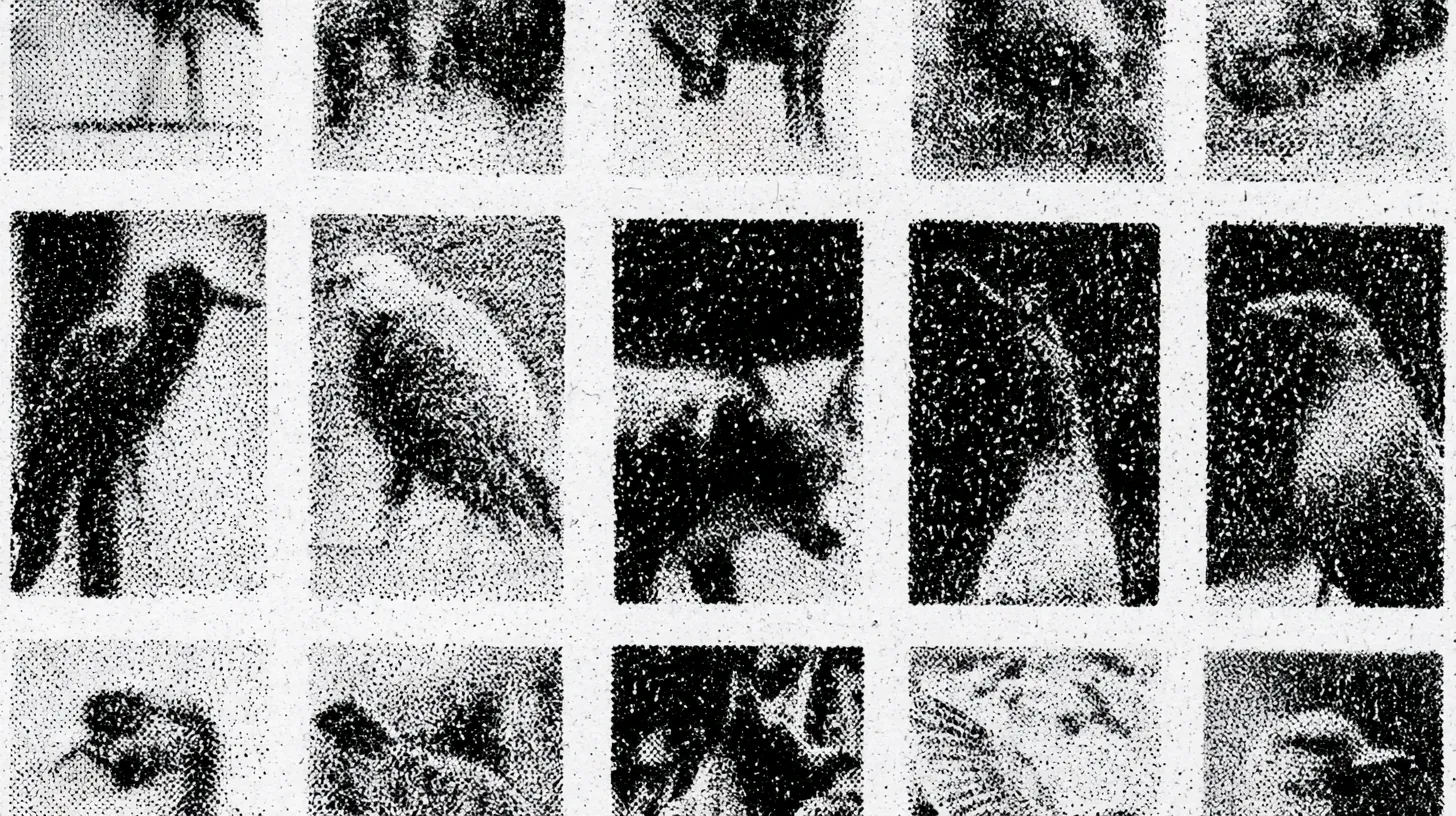
A set was usually twenty-five or fifty cards on a single subject. A picture on the front, printed in colour by chromolithography to a standard that would embarrass most modern paperbacks. On the back, a hundred and fifty words of solid, accurate, unpatronising text about whatever was on the front.
You could not choose which card you got. You got what was in the packet.
Which produced the whole economy: swapping, duplicates, the one card everybody needed, the album on the mantelpiece with four gaps in it, and a father who smoked slightly more than he might otherwise have done because his son needed the goldcrest.
The manufacturers understood this exactly. Some cards in a series were deliberately printed in smaller numbers.
What was on them
Everything.
Wild flowers. British birds and their eggs. Butterflies. Freshwater fish. Trees. Cricketers, footballers, boxers. Regimental uniforms and their history. Ships of the Royal Navy. Aircraft recognition. Railway engines. Film stars. Dogs, cats, horses. Wonders of the world. Kings and queens. Household hints. Garden hints. Motoring. First aid.
By the 1930s, the sets had become genuinely educational and were researched properly, with the text written by people who knew the subject.
So a working-class English child in 1935, in a house with no books to speak of, could assemble a decent grounding in natural history, military history and geography from the things his father brought home in his pocket, one card at a time, over years.
There is a generation of English naturalists and modellers and enthusiasts whose starting point was a set of fifty cards about moths.
The end
Paper economies killed them in 1940 and they never properly came back. Postwar attempts were thinner — tea cards, bubble gum cards — and although Brooke Bond ran good natural history sets for decades, the tobacco version was finished.
A vast, carefully made, beautifully printed popular reference library, covering most of what an ordinary person might want to know about the visible world, exists in fragments in shoeboxes and albums across the country.
It was produced entirely as a side effect of selling a product that killed the people collecting it.
Sources
- Cigarette cards began as stiffeners in paper packets in the late nineteenth century and were rapidly turned into collectable series, typically of 25 or 50, by manufacturers including W. D. & H. O. Wills, John Player & Sons, Ogden's and Gallaher
- Subjects ranged across natural history, military uniforms, cricketers and footballers, film stars, ships, aircraft, wild flowers, garden hints, first aid, and civil defence
- Albums were sold or given away to house completed sets; series were designed so that some cards were scarcer than others
- Production effectively ended in Britain in 1940 under wartime paper economies and was never resumed at the same scale