Field Notes · Nov 2024
Unheard Since 2000
Britain's only native cicada, found mostly by listening
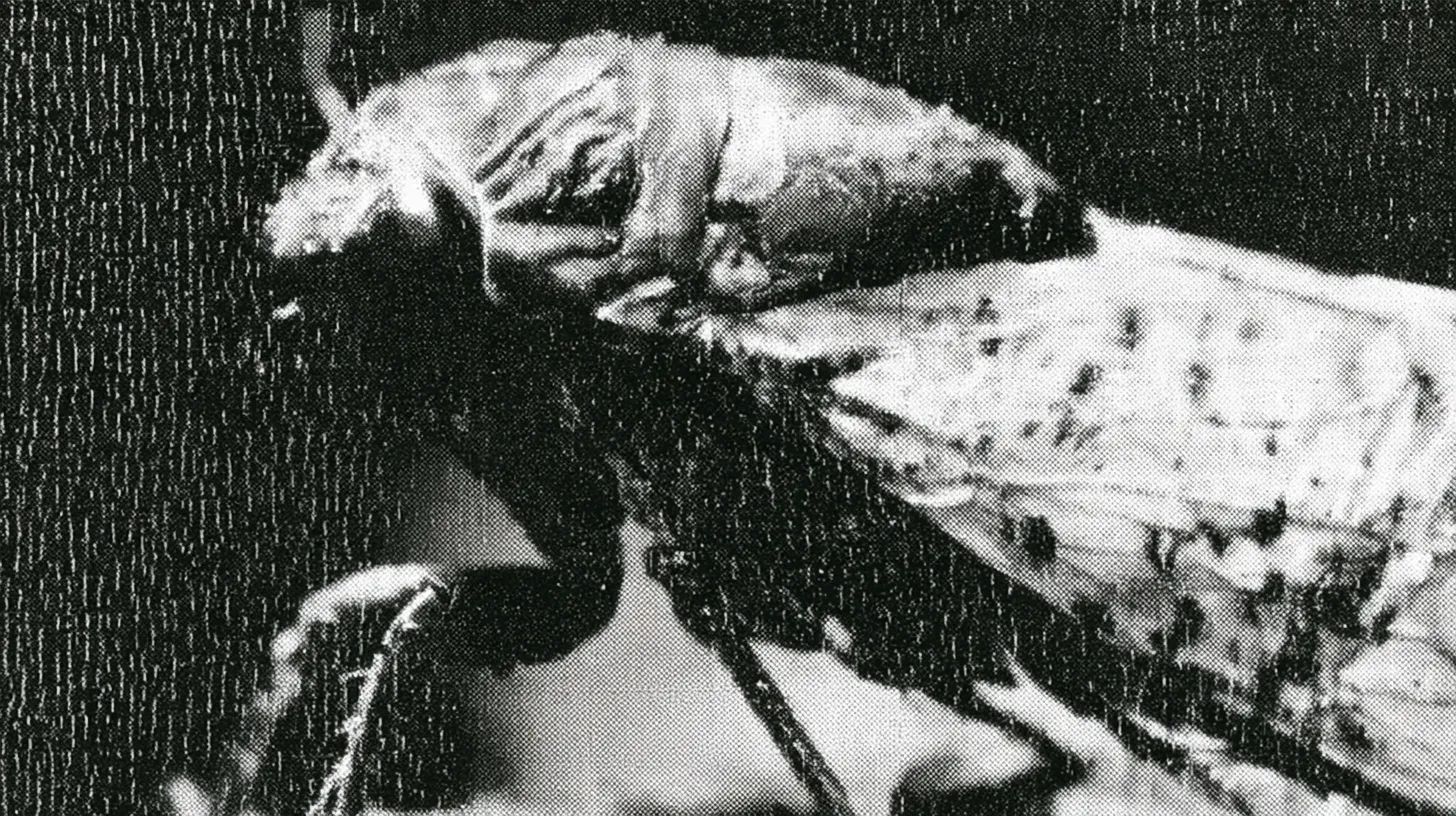
Britain has one native cicada. It lives, or lived, in a few sunny clearings in the New Forest, and nobody has confirmed hearing one since 2000.
The difficulty
Almost everything about this insect is designed to defeat a survey.
It spends several years underground as a nymph, feeding on tree roots, invisible. The adults emerge for a short period in early summer, sit high in trees and scrub, and are extremely well camouflaged.
The way you find a cicada is by listening.
Its song is pitched at around fourteen kilohertz. That is at the extreme upper limit of human hearing, and one of the first things to go as people age is exactly that band. Most adults over about forty cannot hear it at all.
So for decades the search for Britain’s rarest insect depended on whether the entomologist happened to be young enough.
There are accounts from the mid-twentieth century of parties going into the Forest in which the children could hear it clearly and the adults could not hear anything, and had to be led to the tree.
The phone
In 2013, a team at Southampton worked out the obvious solution.
A smartphone microphone does not get older. It records fourteen kilohertz perfectly well. So they built an app — Cicada Hunt — which ran a detection algorithm on whatever the phone was hearing and told the user, on the spot, whether the sound in the trees matched the species.
Then they asked the enormous number of people who walk in the New Forest every summer to leave it running.
The app also picked up a great many other things, and the project generated a substantial acoustic record of the Forest as a by-product.
It did not find a cicada.
Why it went
The usual explanation is management.
The insect appears to need warm, sheltered, sunny ground — the sort of conditions found in an actively worked woodland with open rides, coppice, clearings and scrubby edges. That was the normal state of the New Forest for centuries, because the Forest was worked.
As traditional management declined and rides grew in and clearings shaded over, the specific microclimate it needed became scarce. There is no single villain and no pollution event and no disease. The habitat just gradually stopped being the right temperature.
Whether it is gone
The species is common across continental Europe, so there is no question of global extinction, and reintroduction from continental stock has been discussed.
Whether it is actually gone from Britain is a harder question than it looks, because the insect’s whole strategy is to be inaudible and underground for years at a time.
Sources
- Cicadetta montana, the New Forest cicada — the only cicada native to Britain, historically confined to a small area of the New Forest in Hampshire
- Last confirmed British record generally given as 2000; extensive searching since has produced no verified sighting or recording
- The song is pitched at around 14 kHz, at the upper edge of adult human hearing and typically inaudible to anyone over about 40; the insect is otherwise cryptic and spends several years underground as a nymph before emerging
- The Cicada Hunt smartphone project, developed at the University of Southampton from 2013, invited the public to record in the Forest using phone microphones capable of detecting frequencies people cannot hear
- Habitat requirements are understood to involve warm, sheltered, sunny clearings and rides with scrub; loss of active woodland management and clearance regimes is the usual explanation for decline